
The ServiceNow App Engine is a leading low code development platform that enables enterprises to swiftly create and deploy bespoke applications, effectively addressing challenges like digital transformation demands, talent shortages, and legacy systems maintenance.
What is ServiceNow App Engine?
What makes ServiceNow App Engine a game changer for enterprise application development? It enables rapid, AI enhanced application creation tailored to specific business needs. Its integration with AI and streamlined workflows offers an all encompassing development solution.
Start Your ServiceNow App Journey
What Are the Key Benefits of the ServiceNow App Engine?
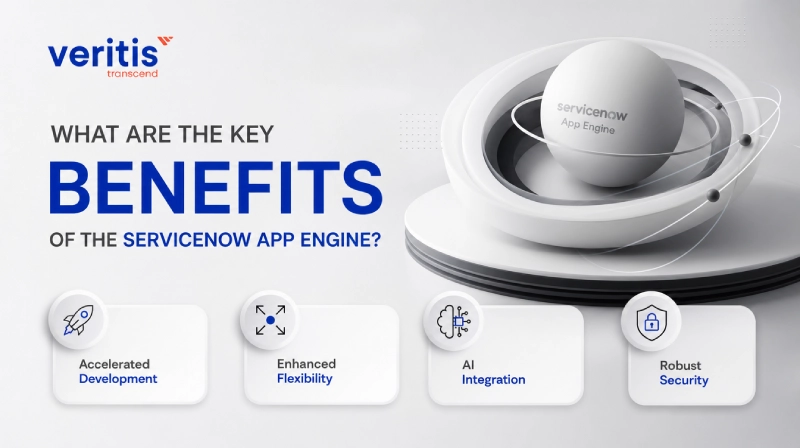
1) Accelerated Development
The low code platform drastically shortens app creation timelines from months to weeks, enhancing responsiveness to business needs.
2) Enhanced Flexibility
Enterprises can tailor the platform to their requirements, reducing dependence on costly third party solutions and improving operational efficiency.
3) AI Integration
With AI tools like Now Assist, the platform automates tasks and optimizes decision making, boosting overall performance.
4) Robust Security
Advanced governance features ensure applications comply with security and compliance standards, safeguarding sensitive data.
How Does ServiceNow App Engine Address Enterprise Challenges?
1) Digital Transformation and Efficiency
The App Engine equips enterprises with crucial tools to adapt and scale quickly in a digital first world.
2) Bridging Talent Gaps
Low code development reduces reliance on specialized skills, empowering existing teams to handle more projects efficiently.
3) Enhancing Productivity Amid Talent Shortages
The user friendly platform enables diverse employees to participate in development, helping address talent shortages.
4) Seamless Legacy System Integration
The App Engine allows new applications to integrate smoothly with legacy systems, reducing maintenance costs and easing transitions to modern solutions.
What Are the Comprehensive Features of ServiceNow App Engine?
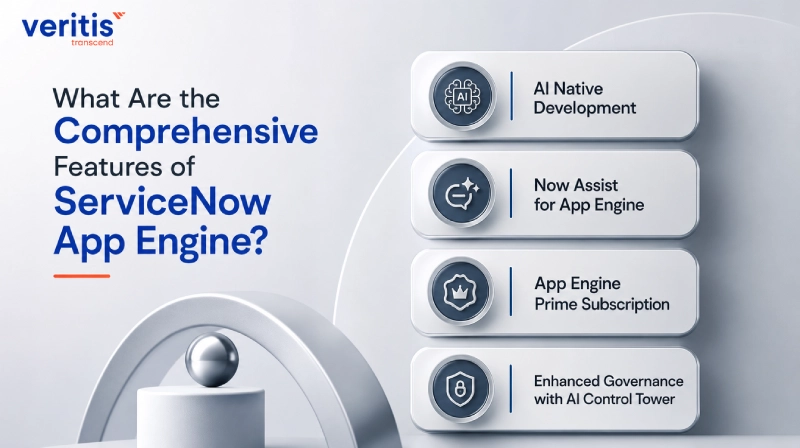
1) AI Native Development
AI tools like the Build Agent enable app development through natural language, optimizing workflows and governance.
2) Now Assist for App Engine
Incorporate AI functionalities such as generative AI to enhance user interactions and automate tasks.
3) App Engine Prime Subscription
Access advanced AI development tools, perfect for organizations leading the AI adoption wave.
4) Enhanced Governance with AI Control Tower
This feature ensures AI applications meet corporate and compliance standards.
Which Features Support Development and Deployment?
1) App Engine Management Center
Use this essential tool to oversee app configuration, deployment, and performance, and ensure KPIs are met.
2) App Engine Starter Kits
These kits provide templates and pre built components, speeding up development and customization.
3) ServiceNow App Engine Studio
It offers a simple interface for developing and managing applications, accessible even to non developers.
Useful link: How ServiceNow AI Agents Are Revolutionizing Customer Service
Success Stories Using ServiceNow App Engine
1) Global Analytics Company
A leading analytics and data integration company deployed more than 20 custom applications using ServiceNow App Engine, improving operational efficiency and achieving significant cost savings of approximately $162,000.
2) Digital Infrastructure Provider
A global digital infrastructure company consolidated IT services and reduced manual database administration efforts by 543 hours. The initiative also minimized audit related work and improved service level performance.
3) Local Government Council
A regional government council developed a desk booking application to manage office space more efficiently. The solution helped reduce costs, improve workplace planning, and support lower emissions.
Explore our insights on the impact of digital transformation.
Conclusion
ServiceNow App Engine empowers enterprise application development through its robust AI integration, productivity enhancement, and seamless legacy system integration, making it indispensable for digital transformation.